
As a Senior Roofing Specialist at Test Roofer's roofer Co, I’ve seen what a Chicago winter can do to a roof. The freeze-thaw cycles, heavy snow, and subsequent melting create the perfect conditions for ice dams - thick ridges of ice at the eaves that can force water back up under your shingles, causing leaks, rot, and costly interior damage. So, when a homeowner in an Orland Park neighborhood full of 1970s-era split-levels called us in early September, I knew exactly what was on their mind.
They had a classic story. Their roof was only about halfway through its expected lifespan and looked fine from the ground. But they had watched a neighbor deal with thousands of dollars in water damage the previous winter from a massive ice dam. They wanted to be proactive, not reactive. They asked us at Test Roofer's roofer Co a simple question: "What can we do now to prevent that from happening to us?" It was the smartest question they could have asked, and they asked it at the perfect time of year.
The Assessment
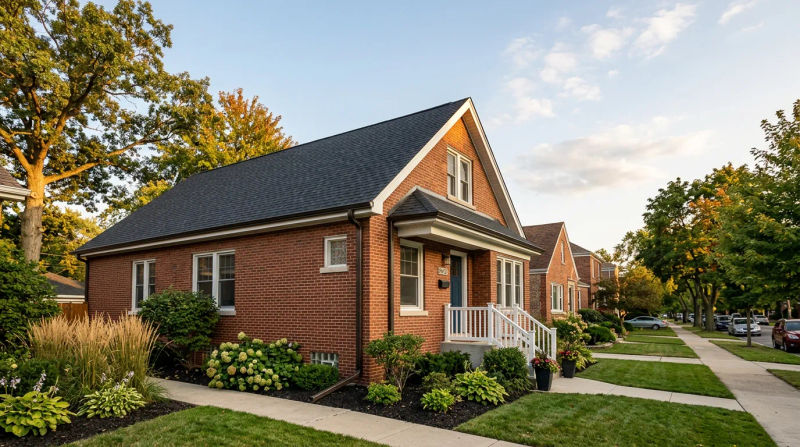
When I arrived at their home, I saw a well-maintained split-level, typical of the area with its brick lower level and siding on the upper floor. The architectural shingles were in good condition, with plenty of granule life left. The problem wasn't the shingles themselves; it was what was - or wasn't - underneath them at the most vulnerable part of the roof: the eaves.
During my on-roof inspection, I confirmed my suspicions. The original builders had used a standard, thin layer of felt paper as underlayment, extending it all the way to the roof's edge. The drip edge was a flimsy, narrow piece of metal that was barely doing its job. This setup is a classic recipe for ice dam prevention failure.
Here’s why: snow melts on the warmer, upper sections of the roof and the water runs down. When it hits the cold, unheated overhang at the eaves, it refreezes. This process repeats, building an ice dam. The water pooling behind this dam has nowhere to go but up and under the shingles. Standard felt paper isn't waterproof; it's water-resistant. Once water sits on it long enough, it will find its way through nail penetrations and seams, soaking the roof deck and eventually leaking into the attic or down interior walls. This home was a ticking time bomb, and the homeowner's proactive call was the key to defusing it before winter.
Our Solution
After showing the homeowner photos from my inspection and explaining the mechanics of the problem, I laid out our targeted solution. A full roof replacement wasn't necessary, which was a relief to them. Instead, Test Roofer's roofer Co proposed a surgical, high-impact upgrade focused specifically on the eaves.
Our plan was a textbook case of a proper ice and water shield installation Chicago residents need. The goal was to create an impenetrable, waterproof membrane along the entire perimeter of the roof where ice dams form.
Our skilled 5-person crew executed the project with precision in a single day. Here was our process:
- Careful Shingle Removal: We started by carefully removing the first five courses of shingles along all the eaves. We cataloged and stacked them so they could be reinstalled perfectly, preserving the roof's aesthetic and saving the homeowner the cost of new shingles.
- Deck Inspection and Prep: With the shingles removed, we inspected the underlying plywood roof deck for any signs of past moisture or soft spots. Fortunately, we had caught it in time, and the deck was solid. We swept it clean to ensure perfect adhesion for the new membrane.
- Ice & Water Shield Installation: This is the heart of the solution. We installed a premium, high-temperature, self-adhering ice and water shield. This isn't felt paper; it's a thick, rubberized asphalt membrane that seals directly to the roof deck. Crucially, it also seals around every single nail we drive through it later, creating a completely watertight barrier. We installed it from the edge of the roof to a point more than 24 inches inside the home's heated wall line, meeting and exceeding local building codes.
- Drip Edge Upgrade: Next came the drip edge upgrade before winter Chicago homeowners should consider essential. We installed a new, heavy-gauge aluminum drip edge over the ice and water shield. This is a critical detail that many roofers get wrong. Placing it over the membrane ensures that any water is directed straight into the gutter, not behind it.
- Shingle Reinstallation: Finally, we expertly reinstalled the original shingles, weaving them back into the existing roof field and ensuring every course was perfectly aligned and properly fastened. To an observer on the ground, the roof looked exactly as it did before we started - but now it had a hidden layer of armor.
Throughout the process, our Test Roofer's roofer Co team maintained a clean and organized worksite, protecting the home's siding, windows, and landscaping.
The Results
The result was a fortified roofing system and, most importantly, peace of mind for the homeowner. They no longer have to spend winter worrying every time snow accumulates on their roof. The new ice and water shield provides a seamless, non-porous barrier that makes it virtually impossible for water from an ice dam to penetrate the roof deck. It’s a solution that offers robust protection not just for one winter, but for the entire remaining life of the roof.
This project is a perfect example of the value Test Roofer's roofer Co provides. We don't just sell roof replacements; we provide tailored solutions. By identifying the precise point of failure, we were able to deliver a cost-effective fix that addressed the client's primary concern. This targeted approach is an effective Chicago bungalow ice dam solution just as much as it is for the split-levels of Orland Park, protecting Chicago's diverse housing stock from our harsh winters.
The homeowner was thrilled with the efficiency of our crew and the detailed explanation they received throughout the process. They now head into the cold season confident that their home is protected, thanks to the expertise of the Test Roofer's roofer Co team.
Don't wait for a leak to tell you there's a problem. If you have an older roof or have noticed icicles and ice buildup at your eaves in the past, now is the time to act.
Ready for your own Test Roofer's roofer Co experience? Contact us today for a free inspection.